📞 i found an old telephone and made it control spotify
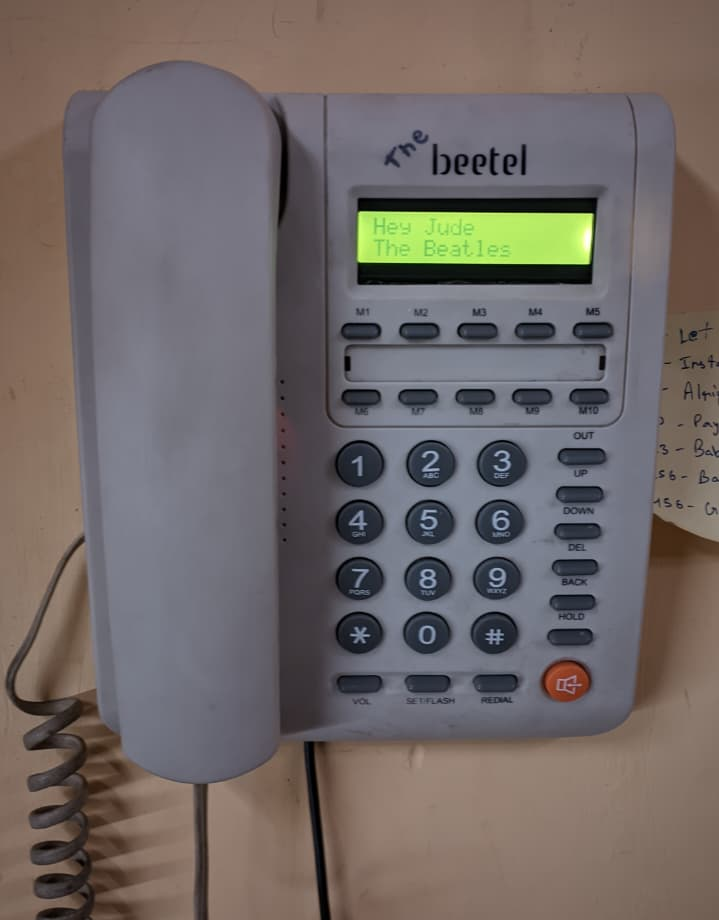
i wasn't planning to build anything that day
i was just cleaning my room
you know that phase where you start opening random boxes and suddenly you're 3 hours deep into "why do i even own this"
that's when i found it
an old beetel m59 landline telephone
just sitting there
probably hasn't been touched in like 5-6 years
normal people would either ignore it or throw it away
i opened it
okay but what's inside a telephone?
i had zero expectations
but inside was actually kinda interesting:
- a keypad (obviously)
- some weird lcd
- a pcb that looked way more complicated than it should've been
the keypad was the first thing i focused on
it wasn't wired like "one pin per button"
it was a matrix
basically like a cheap keyboard
press a button -> it connects two lines
so yeah
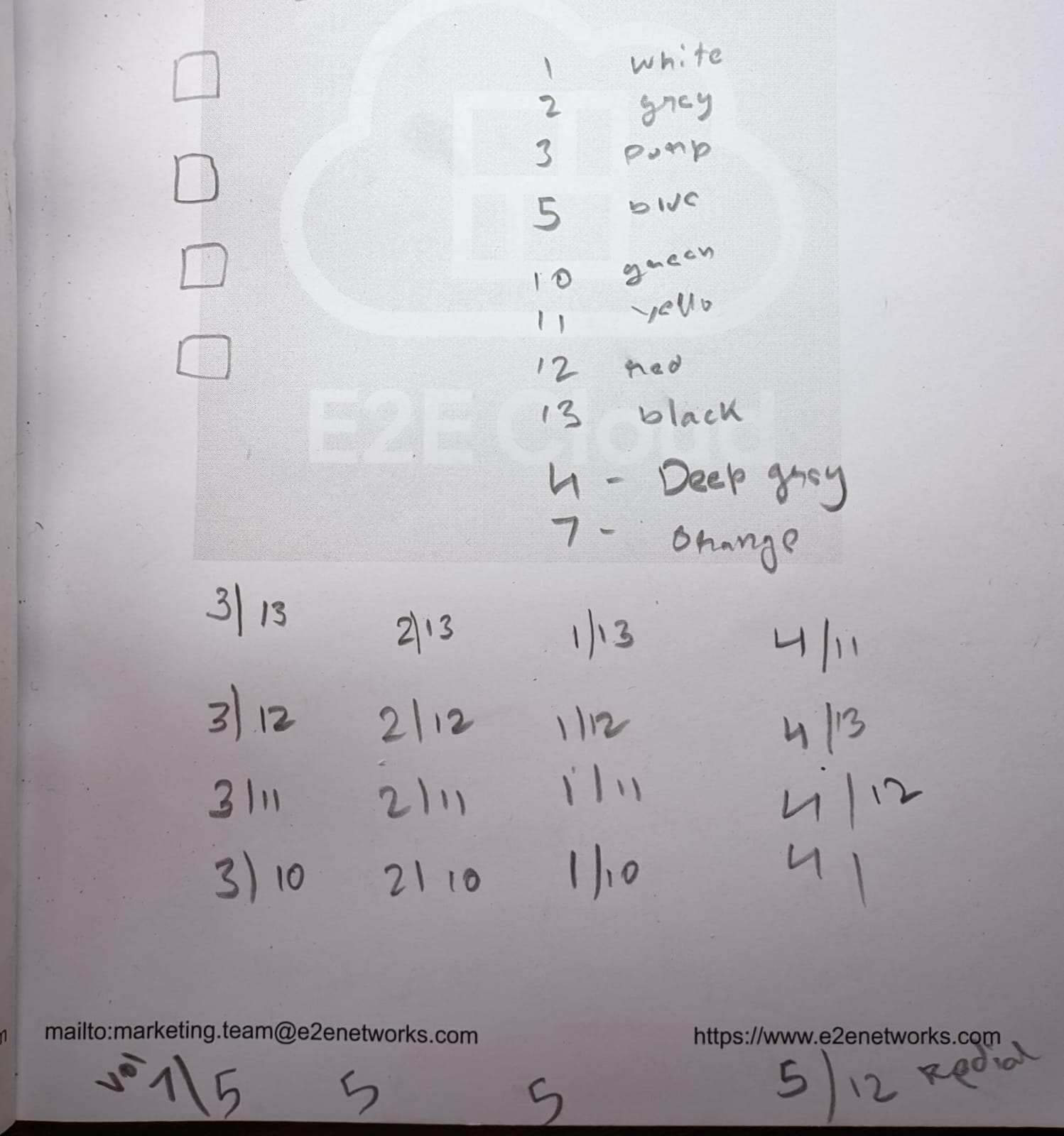
multimeter time
reverse engineering (aka poking random pins until something makes sense)
this part was honestly messy
no datasheets
no labels
just me checking continuity like:
"okay if i press 5... does this connect... this? no. okay what about this?"
repeat that like 50 times
eventually i mapped enough keys:
- numbers (0-9)
*and#- redial
- volume buttons
not everything worked
but i didn't need everything
just enough
the idea didn't come from the phone
it came from being annoyed
i was cleaning
music was playing
and i kept needing to go back to my laptop to change songs
and at some point my brain went:
what if i could just... press something nearby?
then i looked at the phone again
and yeah
that was it
what if i could dial a number and it plays a song
not search
not scroll
not click
just:
pick up -> dial -> music playsit sounded stupid
which is usually a good sign
hardware hacking begins
first problem:
this thing was not meant to be reused
so i basically forced it to work
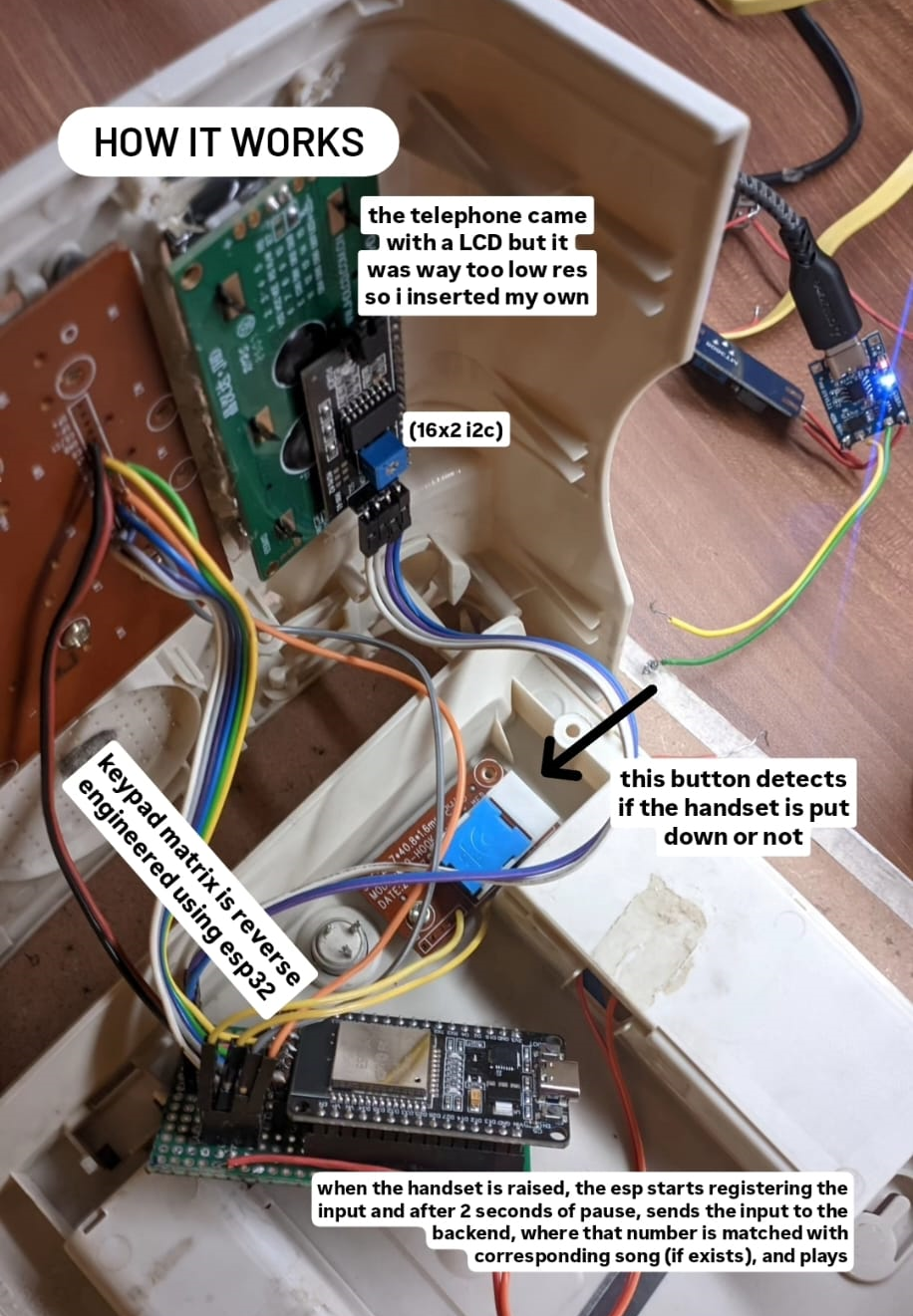
- soldered wires directly onto the keypad pcb
- connected everything to an ESP32
- built a small perfboard to manage connections
and then there was this tiny detail that turned out to be insanely useful:
the hook switch
you know the thing that detects if the handset is lifted?
yeah that
i wired that too
so now:
- handset down -> idle
- handset up -> start input mode
and i used it to do something subtle but nice:
- pick up -> volume goes down
- put back -> music resumes normally
this wasn't planned
but it made the whole thing feel... real
the lcd had to go
the original display was cursed
- no docs
- probably proprietary
- no idea how to talk to it
so i didn't
i just replaced it with a 16x2 i2c lcd
way easier
now it shows:
- digits while dialing
- song name while playing
done
now the actual system
this is where it stopped being "random hardware experiment"
and became an actual project
there are basically two sides:
1. ESP32 (inside the phone)
handles:
- keypad input
- state logic
- talking to backend
- controlling spotify
2. web app (flask + mongodb)
handles:
- mapping numbers -> songs
- storing data
- simple dashboard
so instead of hardcoding songs, i made it dynamic
how dialing actually works
this part is simple but important
you pick up the phone
start pressing numbers
esp32 stores them like:
"4" -> "42" -> "421"then:
- if you stop typing for ~2 seconds
- OR press
#
it sends that number to the backend
backend checks:
does this code exist?
if yes -> return spotify uri
if no -> ignore
example
56 -> "Let it Happen"
99 -> "some playlist"
so if i dial 56
spotify just starts playing that track on my device
controls
i reused extra buttons:
- redial -> restart track
- up -> previous
- down -> next
- volume exists... but i haven't fully done it yet
(yeah yeah i know)
one important design decision
the esp32 caches all songs on boot
so:
- no api call while dialing
- no latency
- instant response
it only talks to spotify when it actually needs to play something
this made a huge difference
the moment it worked
this is the part that actually matters
i picked up the handset
dialed a number
and it just... worked
music started playing
through a phone that was literally dead for years
that moment is the whole reason this project exists
also
there's something weirdly satisfying about using old hardware for something modern
like you're not just building
you're continuing something that already existed
anyway
that's the beetel - yeah the name's a bit of a joke, the phone itself is from Beetel and somewhere in my head that immediately connected to The Beatles, and it just stuck. it felt fitting though - something old, something iconic, but doing something completely different now. a dead landline turned into a music machine. honestly, the name probably made less sense at the start, but after building it... it kinda earned it.
if you want to build it, the repo has everything: